Waste management: how it works in Sweden
11.09.2023Project manager, NGO “Ekoltava”, Maryna Sadkina, has learned about waste management in Sweden during training trip to this Scandinavian country.
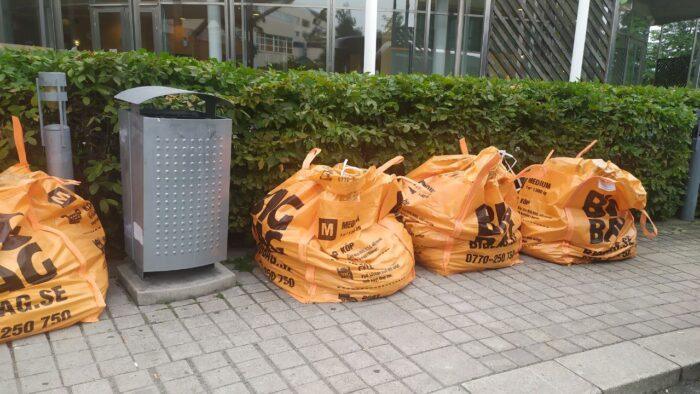
Waste management in Sweden stipulates separated collection. As to local legislation, since 2001, it is prohibited to bury waste good for combustion (discarded packaging), since 2003, the same goes for food leftovers.
Segregation of waste is supported through motivation, as local legislation sets separate fees for waste removal differ according to how much kinds of waste are collected separately. Though, the rates are hard-set for every single system of collection, they are defined by municipality and include all expense items, even enlightenment.
In Sweden, there are 35 refuse dumps and 33 incineration plants (these provide heating). Typical are biogas plants, unlike from those with mechanical and biological procession, they produce harmless compost.
In Sweden, there is a monopoly in waste management services provided by municipal enterprises (including aspects of inter-municipal cooperation), with involvement of subcontractors. Plans are ambitious, so the country gradually introduces more and more scrupulous segregation of waste. For instance, since January 1, 2025 separated fabrics collection is introduced.
On average, every Swede generates about 450 kg of waste yearly, which is 150 kg more than average Ukrainian does.
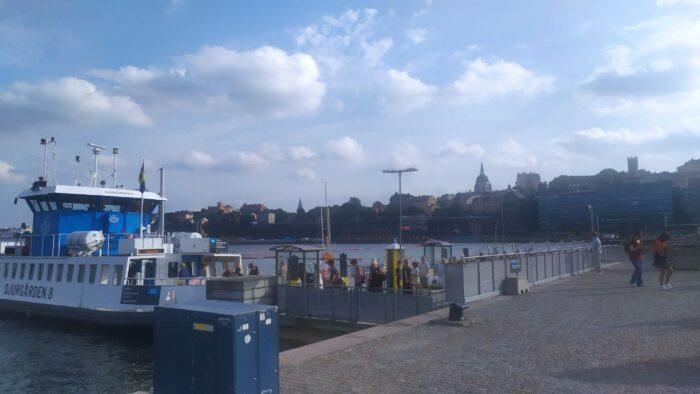
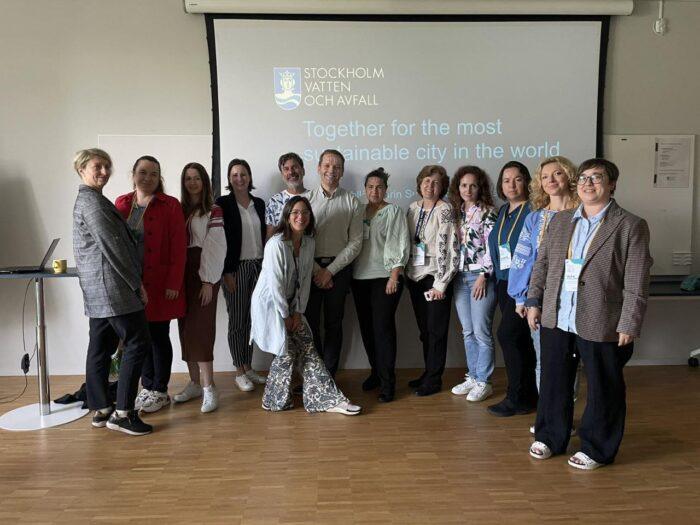
Expert on waste management, project manager, Ekoltava, Maryna Sadkina has visited “Stockholm Vatten och Avfall”, a municipal enterprise that provides waste management and water supply services.
The representatives of enterprise have told that the last refuse dump for solid municipal waste had been closed in Stockholm as far as in 2010. Stockholm has Municipal plan on waste management, 2001-2024, according to which waste management is being done in compliance with the principles of efficient use of resources and in concordant interaction with other approaches to development of short-run programs and strategic urban planning.
As for today, the collected waste is divided as follows:
64 % – reuse with energy production (combustion),
32 % – recycling (reprocessing),
7 % – anaerobic fermentation with biogas production,
3 % – repeated use,
1 % – elimination.
Biogas covers fuel needs of all garbage trucks, 25% of buses and 50% of local heating system.
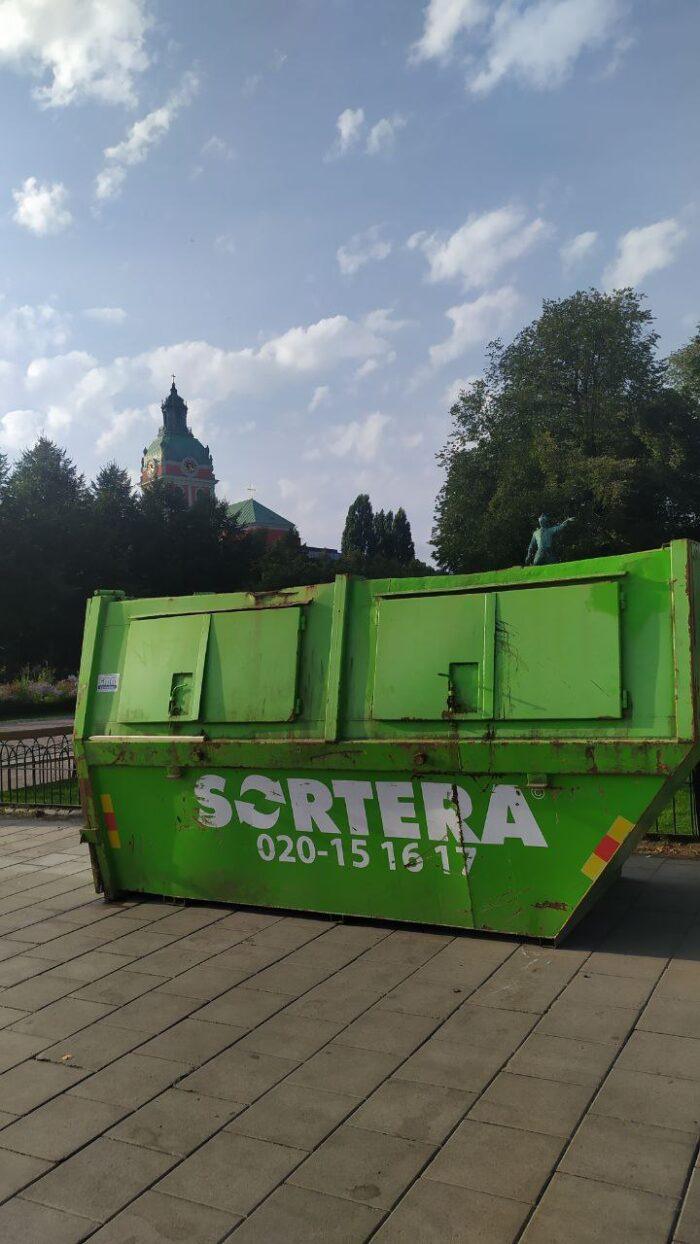
Waste collection system in Stockholm holds various solutions, like portable collection points. Discarded but still good household items can be left there, and through a specialized mobile application they get their new owners.
Every supermarket has free paper bags for food leftovers.
Pharmacies collect expired medicine. Cosmetics shops join collection of packaging in cooperation with municipalities.
Summary: an intriguing experience, fascinating, well-thought, and top practices good for Ukraine.
This training trip is a part of Initiative on development of environmental policy and advocation in Ukraine (EPAIU), implemented by International fund “Vidrodzhennia” under support of Sweden.