Adopting transatlantic practices: training in the USA for an employee from Ekoltava
29.05.2023For two weeks, project manager, NGO Ekoltava, Maryna Sadkina, have been on a training in Texas University, Arlington, within project ISWA – International solid waste association that embraces over 20 countries.
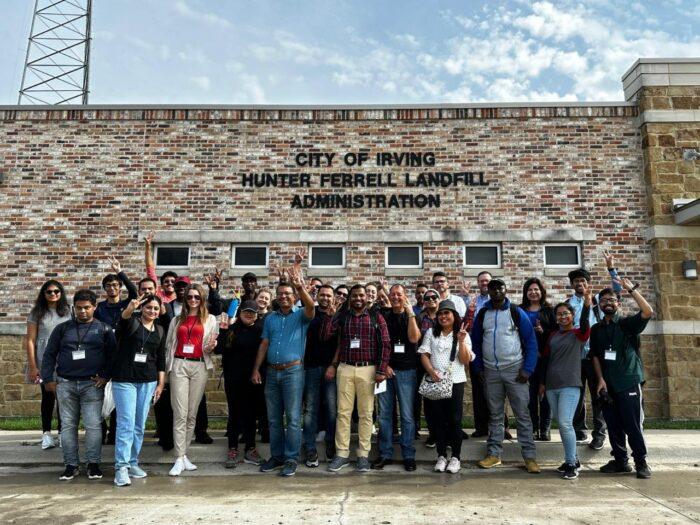
For higher competence, the representative from Ekoltava has visited two functioning refuse dumps, inIrving and in Arlington.
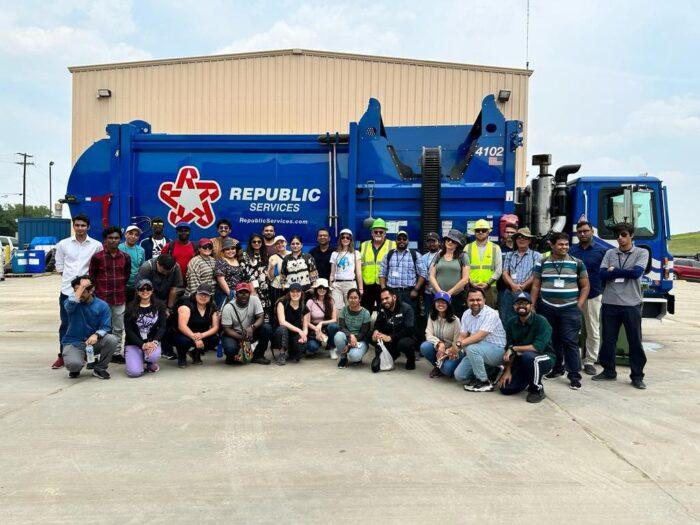
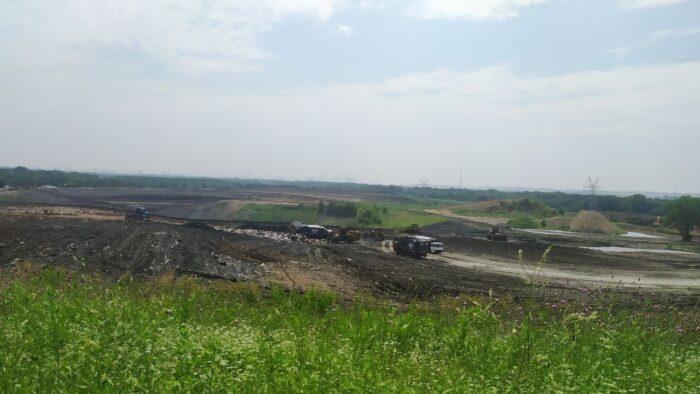
Refuse dumps often are close to water bodies or residential areas (even the prestigious ones). Accordingly, the units guarantee retention of filtrate and absence of odours outside the waste area. The latter are perceptible during operational hours, but because of distance and ground on top, they are not felt beyond the operational zone.
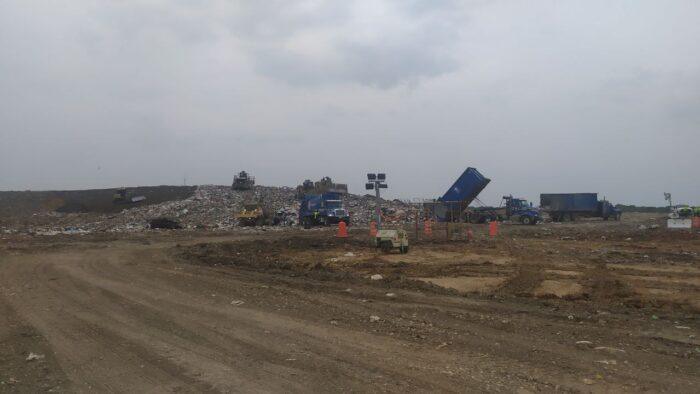
“Some refuse dumps, – accounts Maryna Sadkina, – may collect methane (if there emerges enough gas). The collected gas then either transferred to extra purification (about 97%), or is burned to produce electricity, which is sold into the grid (in this case the plant is supported by renewable energy credits to cover losses, as prices constantly fluctuate)”.
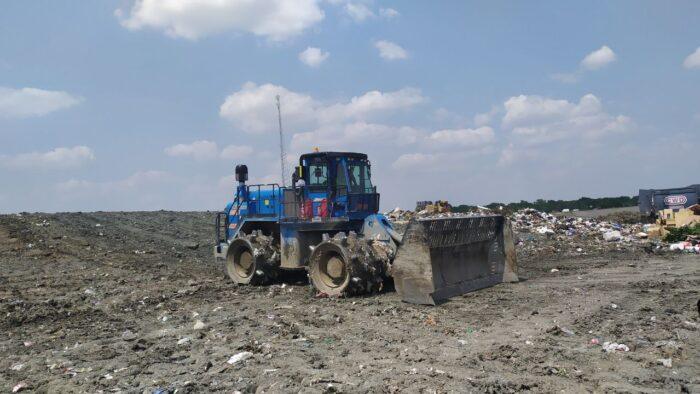
In every refuse dump there is modern machinery and trained personnel. Working with giant mechanisms means not only well co-ordinated actions for maintaining efficient compression of waste and exploitation period, but the absence of accidents, too. Every operator has to carry out daily postprocess inspection of equipment, as its mending is extremely expensive (a single compactor costs at least $1,2 million). In the area, several kinds of machinery operate simultaneously (bulldozers, compactors, trucks, and other).
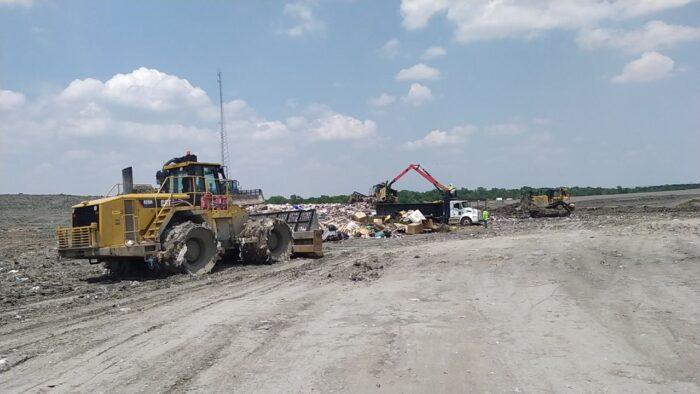
Signal pistols scare the birds out. Though, some species usually migrate between neighbouring dumps and thus may quickly return over some time.
Moreover, the refuse dumps are fenced and have access control, scales to weigh the trucks and inspection of kinds of delivered waste. Construction and demolition waste, discarded greenery are recycled and sold.
The training, apart from visiting refuse dumps, covered theoretical classes, too. There the students of project by ISWA have learned about equipping and exploiting refuse dumps for solid municipal waste.